| ||||||||||||||||||||||||||||||||||||||||||||||||||||||||||||||||||||||||||||||||||||||||||||||||||||||||||||||||||||||||||||||||||||||||||||||||||||||||||||||||||||||||||||||||||||||||||||||||||||||||||||||||||||||||||||||||||||||||||||||||||||||||||||||||||||||||||||||||||||||||||||||||||
|
send me email.
|
||||||||||||||||||||||||
|
||||||||||||||||||||||||
|
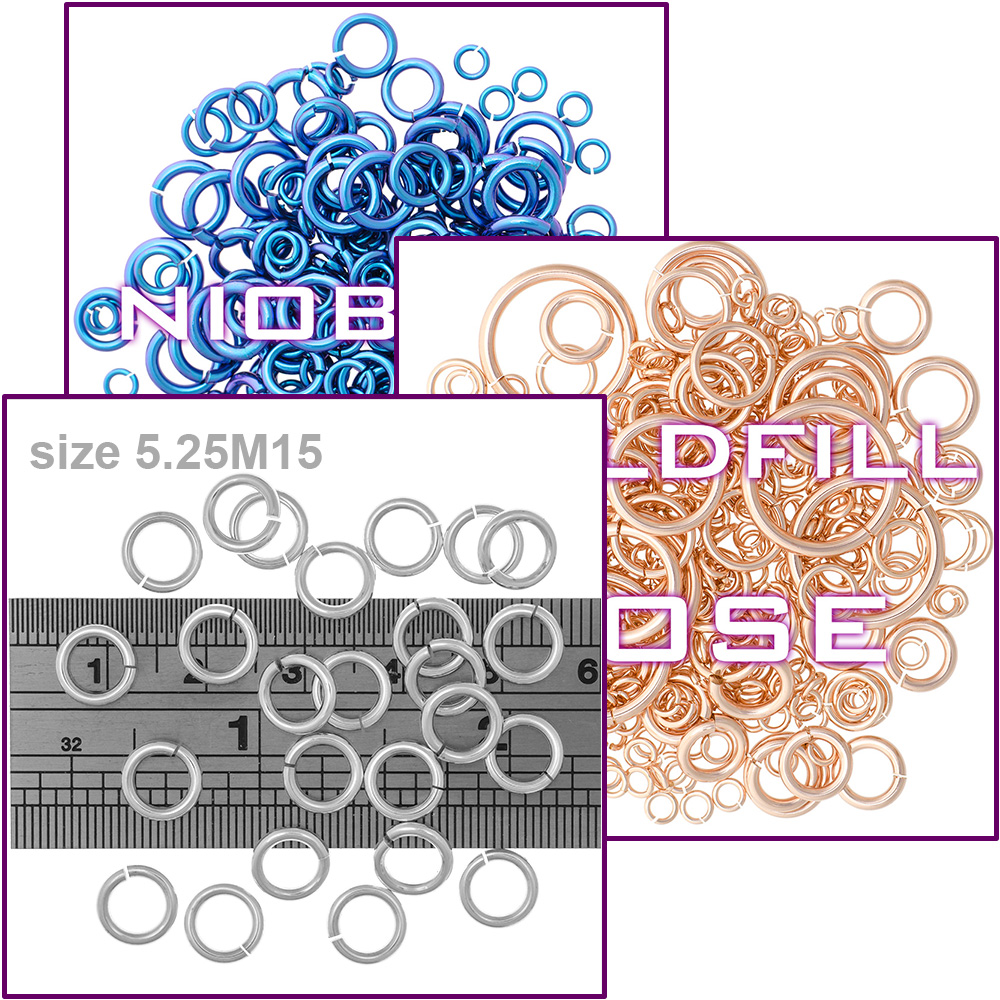
What do your ring names mean? I make both inch sized rings and millimeter sized rings, but they both follow the same naming rules. The first half of the name tells you what size mandrel the wire was wrapped around, and the second half of the name tells you what size wire was used. So...
Why did I make it so complicated? It's not actually complicated once you understand it, and I find it much easier to refer to a ring size by one compact name rather than saying "3/16 inch with 19ga rose gold fill wire" or some such. I've tried my very best to make the names easy to understand and easy to compare to each other. For instance, messing with inch fractions drives me batty - I always have to scratch my head to figure out whether 3/16" is bigger or smaller than 11/64" but I know immediately that 12/64" is bigger than 11/64" so I always refer to my inch sizes by their 1/64" measurements. You may find this chart to be helpful for visualizing how the ring sizes compare. I recommend printing the chart (portrait mode). Trim the blank edge off the bottom of the first page and tape the two together for a handy-dandy reference of what my mandrel names are and how the inch sizes compare to millimeter sizes. Now that you understand the names of the different ring sizes, here are the list of changes that I might make to the wire. These are all letters that I might add to the end of the ring name. The letters mean: gf - gold fill (The ring is made with yellow gold fill wire.) gfr - rose gold fill (Also called red gold, but I think "rose" is prettier and more accurate.) gfw - white gold fill nb - niobium sf - solder core (The ring is made with solder core wire. Why not "sc"? I named them back when I still called it "solder filled") jb - jewelry brass cu - copper k14 - solid 14K gold (Why not "14k"? I wanted a letter at the beginning so that it wouldn't get mixed up with the wire gauge of the ring.) k18 - solid 18K gold (and so on...) fs - fine silver (Dead soft, unless otherwise indicated. Used for loop-in-loop chains.) sh - spring hard (The wire used to make the ring is spring hard, instead of half hard which is my standard. Spring hard available for sterling rings in 19, 20, and 21 gauge.) nothing - If there are no letters hanging off the end of the ring name, then it's made from half hard sterling silver wire with nothing fancy done to it. examples - If a ring is named 8:19gf, that means it's a size 8:19 made from gold fill wire. If a ring is named 8:19k14sfsh, that means it's a size 8:19 made from 14K wire that has a solder core and is spring hard. Just add letters as needed. |
||||||||||||||||||||||||
| ||||||||||||||||||||||||
How does your pricing system work?
|
||||||||||||||||||||||||
| ||||||||||||||||||||||||
|
What is the size of the cut on your rings? The kerf (cut width) is 0.010". |
||||||||||||||||||||||||
| ||||||||||||||||||||||||
|
Can you make rings from other metals? For a long time, I only made rings in precious metals. But enough loyal customers pleaded for me to add copper that I have finally agreed. I now offer copper and jewelry brass rings as well as my standard precious metal rings. I don't currently have plans to add aluminum, steel, titanium, etc. to my lineup but it might possibly happen some year in the future if enough people request it. In the meantime, I suggest talking to one of the ring suppliers listed on my links page if you're looking for a metal that I don't carry. |
||||||||||||||||||||||||
| ||||||||||||||||||||||||
|
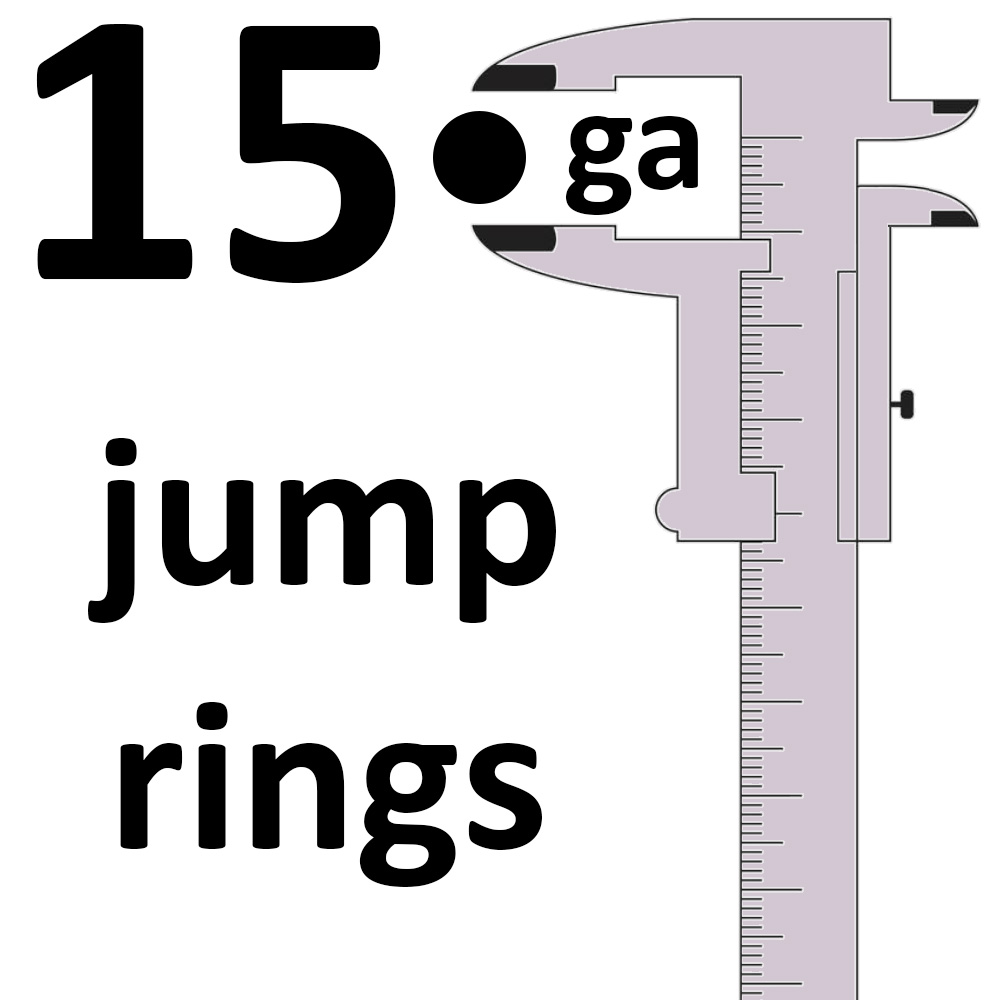
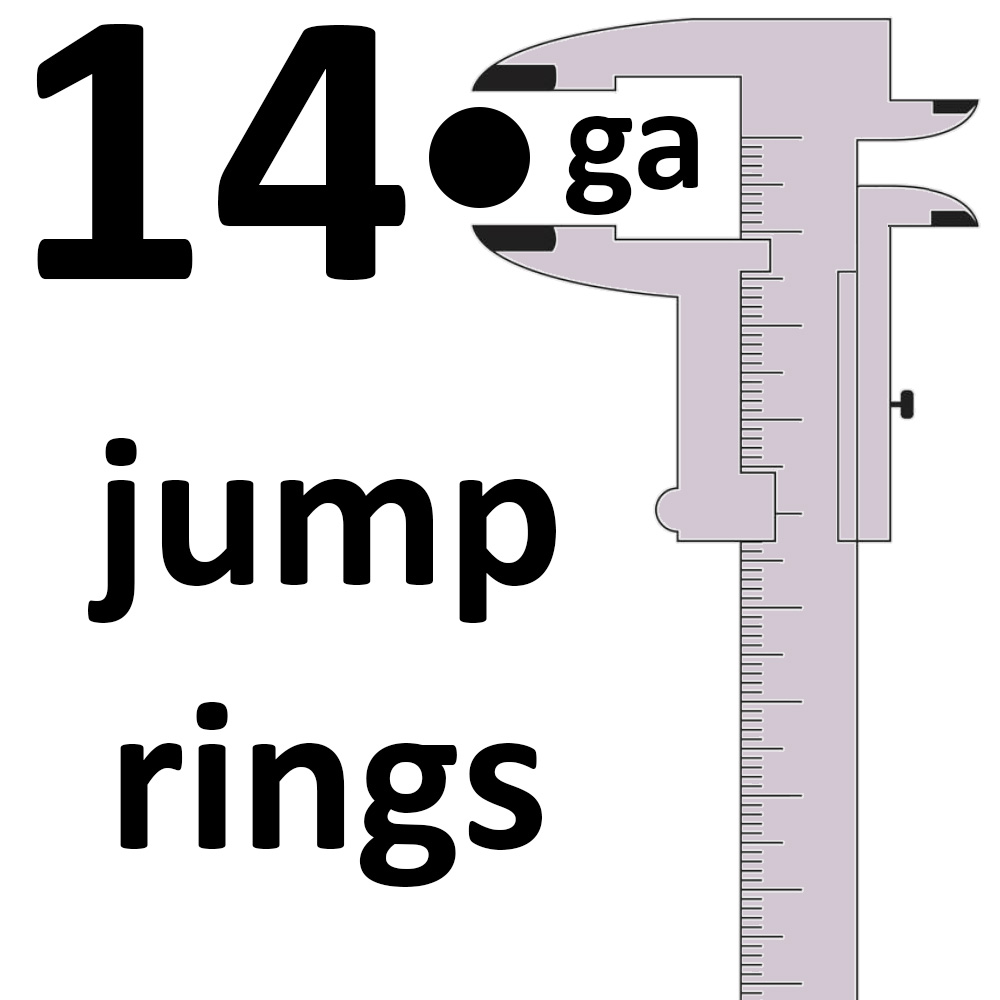
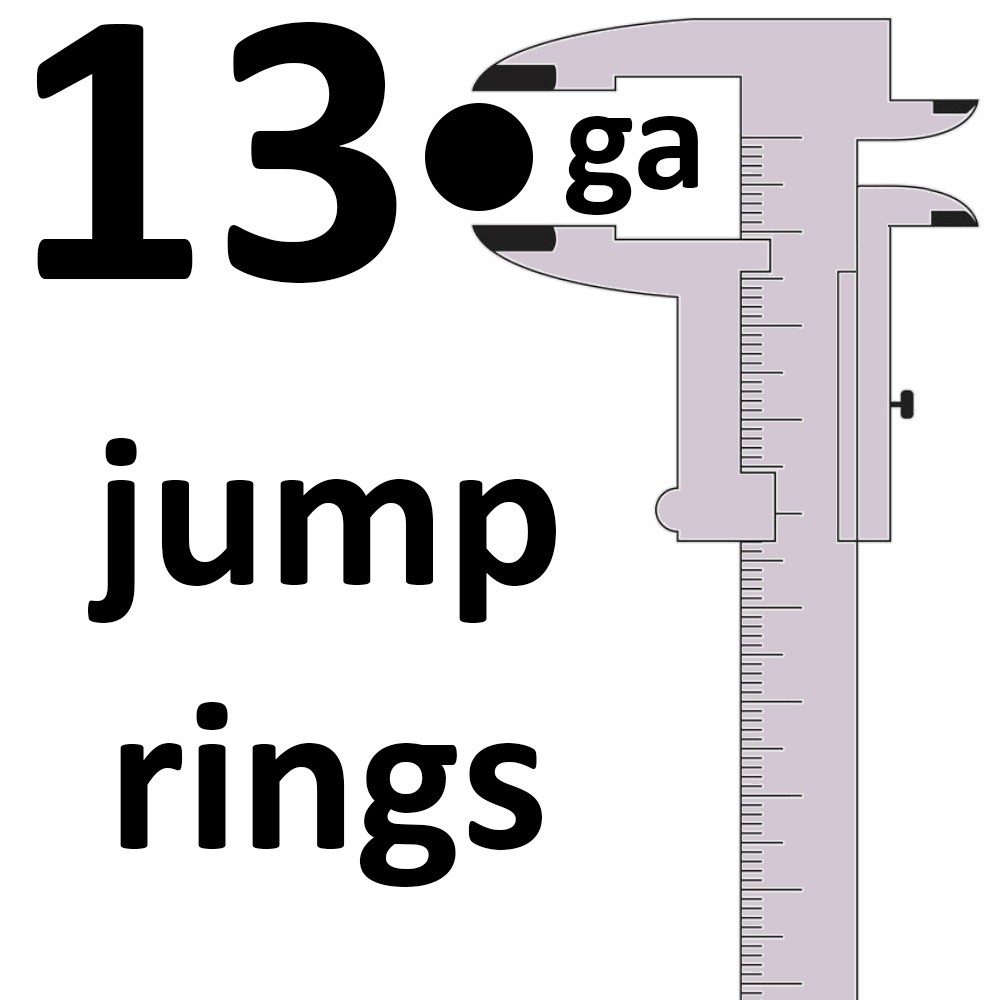
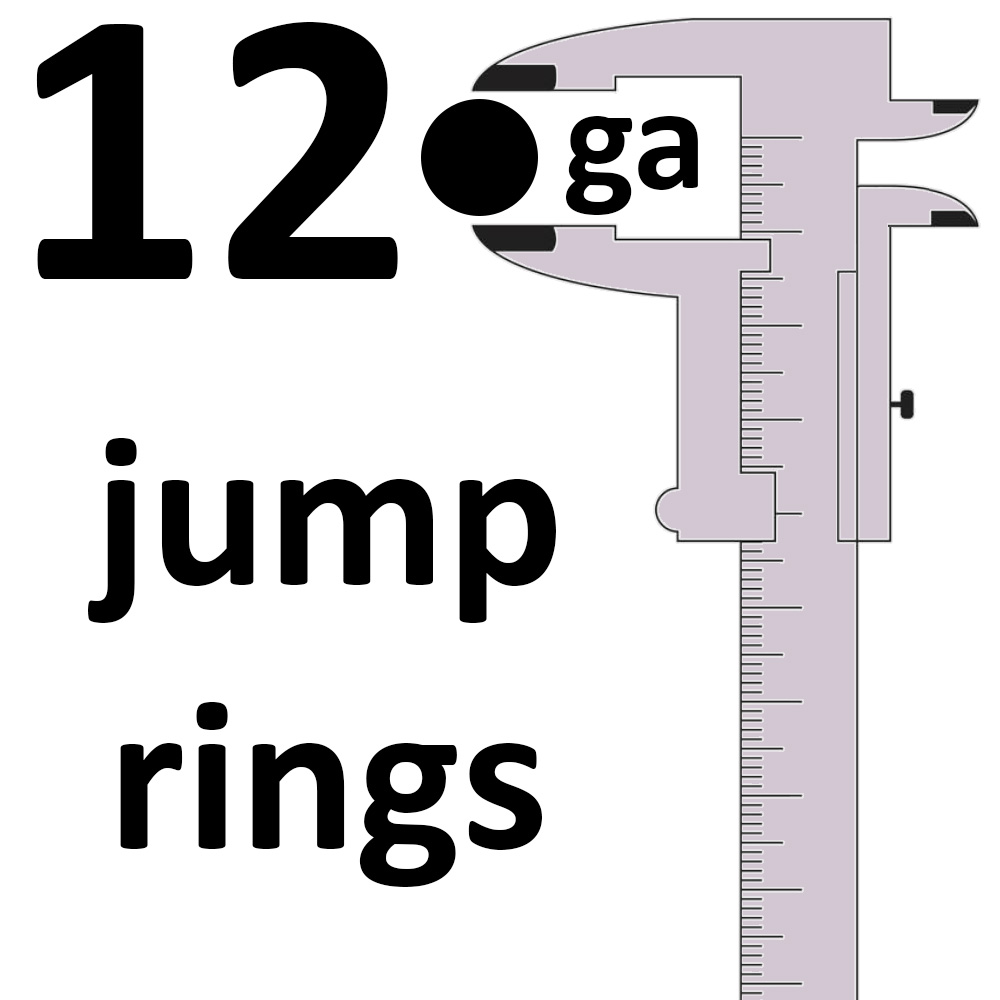
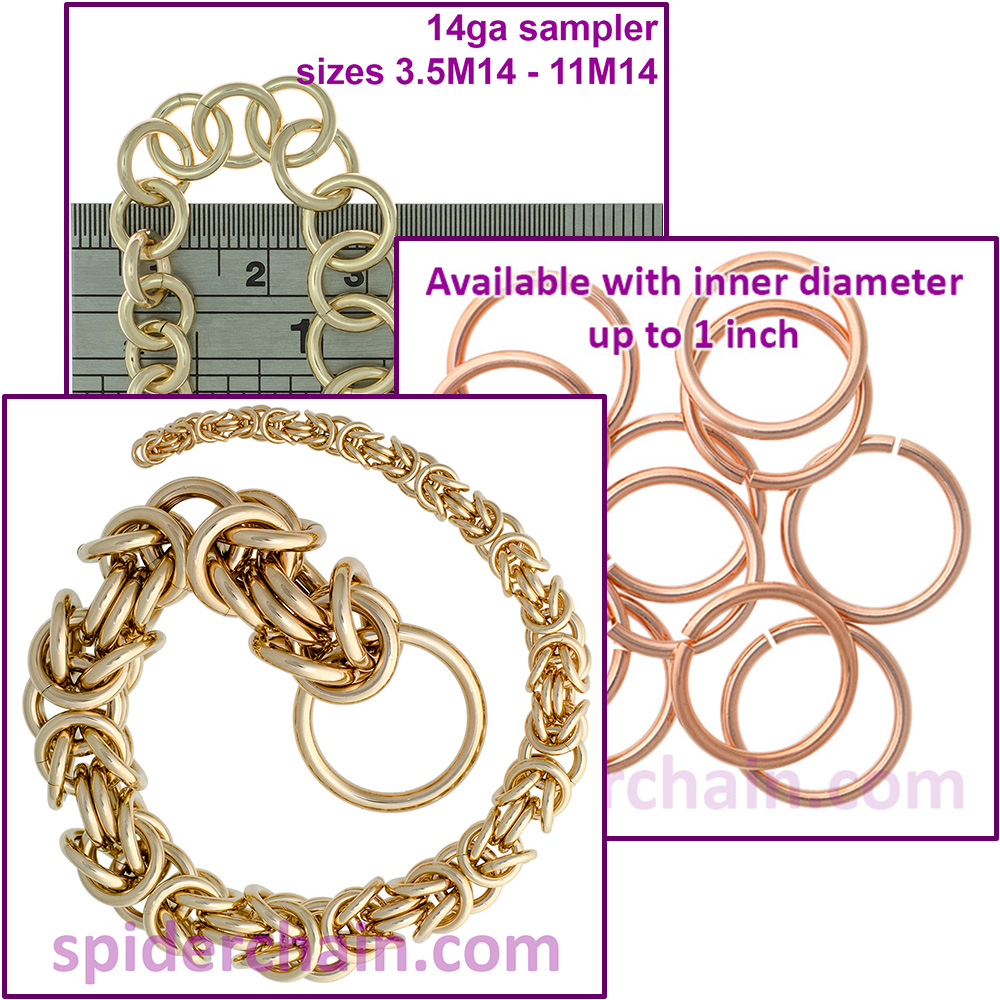
Can you make other sizes of silver/gold/copper/brass rings? Yes. If you want a ring size that isn't listed, just let me know. I have 21ga - 14ga wire in sterling silver, gold fill, copper, and brass. I also have 13ga - 10ga in sterling silver and 10ga in gold fill and jewelry brass. I'll be filling in the other heavy wire sizes as they're requested. My mandrels come in 1/64" increments and also 0.5mm increments with 0.25mm increments available up to 7mm. |
||||||||||||||||||||||||
| ||||||||||||||||||||||||
|
Can you make other sizes of niobium rings? I can, but the overhead for adding a niobium size is much greater than for a non-niobium size. I'll eventually have a nice range of ring sizes in a modest range of wire gauges. Let me know if there's something that you'd specifically like, but don't hold your breath for a 15ga niobium ring with a 4.25mm inner diameter. ;) |
||||||||||||||||||||||||
|
||||||||||||||||||||||||
|
What is the Aspect Ratio? (And why is it important?)
The aspect ratio (or AR) is a way of describing how thick/thin a ring is. This is desperately important to chainmaillers because not all weaves use the same size rings. Let me repeat that, since it's really important... Not all weaves use the same size rings. Here are a couple examples to show you why that statement is quite so important. I'll use birdcage weave and full persian for these examples because birdcage uses a very thick ring and full persian uses a very thin ring. |
||||||||||||||||||||||||
| Now that I've convinced you that each weave has its own idea of "perfect" ring size, I'll attempt to explain how the AR fits in. | ||||||||||||||||||||||||
|
||||||||||||||||||||||||
| For the example rings that I used, the AR of the thick ring is 3.41 and the AR of the thin ring is 5.17. The higher the AR, the thinner the ring. And it doesn't matter what scale the ring is. The AR will be the same for a perfect birdcage ring no matter whether that ring is an inch wide or a mile wide. | ||||||||||||||||||||||||
|
||||||||||||||||||||||||
|
So what does this mean to you? Since each chainmail weave has an ideal AR, you can now take some
of the guesswork out of what size rings to make/buy. Let's look at a few examples...
Example 1: You know the weave and the wire size, but you don't know the inner diameter. You're making birdcage (AR of 3.5) and you're using 18ga wire (0.040"). You don't know what would be the best inner diameter for your rings. Here's the formula: AR = inner diameter / wire diameter 3.5 = inner diameter / 0.040" inner diameter = 0.14" or 9/64" Example 2: You know the weave and the inner diameter, but you don't know the wire size. You're making full persian (AR of 5.25) and you want the rings to be 3/16" (which equals .1875"). Here's the formula: AR = inner diameter / wire diameter 5.25 = 0.1875 / wire diameter wire diameter = .0357" which is 19ga (or really, really close anyway) Example 3: You know the aspect ratio, but you don't know the weave. Several people have compiled charts of their favorite aspect ratios for various weaves. Browse through the charts to see what weaves are recommended for the rings you already have. Zlosk Venom's Pit Gizmology (scroll to the bottom for the chart) Now that you've read what I have to say on the subject, here's another explanation, posted by Christine on one of the discussion boards that I visit.
Zlosk's very in-depth AR discussion Vacacita's Tutorial on the M.A.I.L. site Blaise's Tutorial on the M.A.I.L. site Blue Buddha's comments If you've found other resources online that have helped you to understand aspect ratios (or that you think may help someone else) please let me know and I'll add them here. |
||||||||||||||||||||||||
| ||||||||||||||||||||||||
|
What size ring should I use for my project? This is a difficult question since everyone has their own opinion about what ring looks "best" for a given weave. I personally think that the weave should be as tight as possible and still be nicely flexible. If you agree with that opinion, then visit the recommended sizes page. If the weave you're interested in doesn't appear on that page, or if you just have more questions, then send me email. |
||||||||||||||||||||||||
| ||||||||||||||||||||||||
|
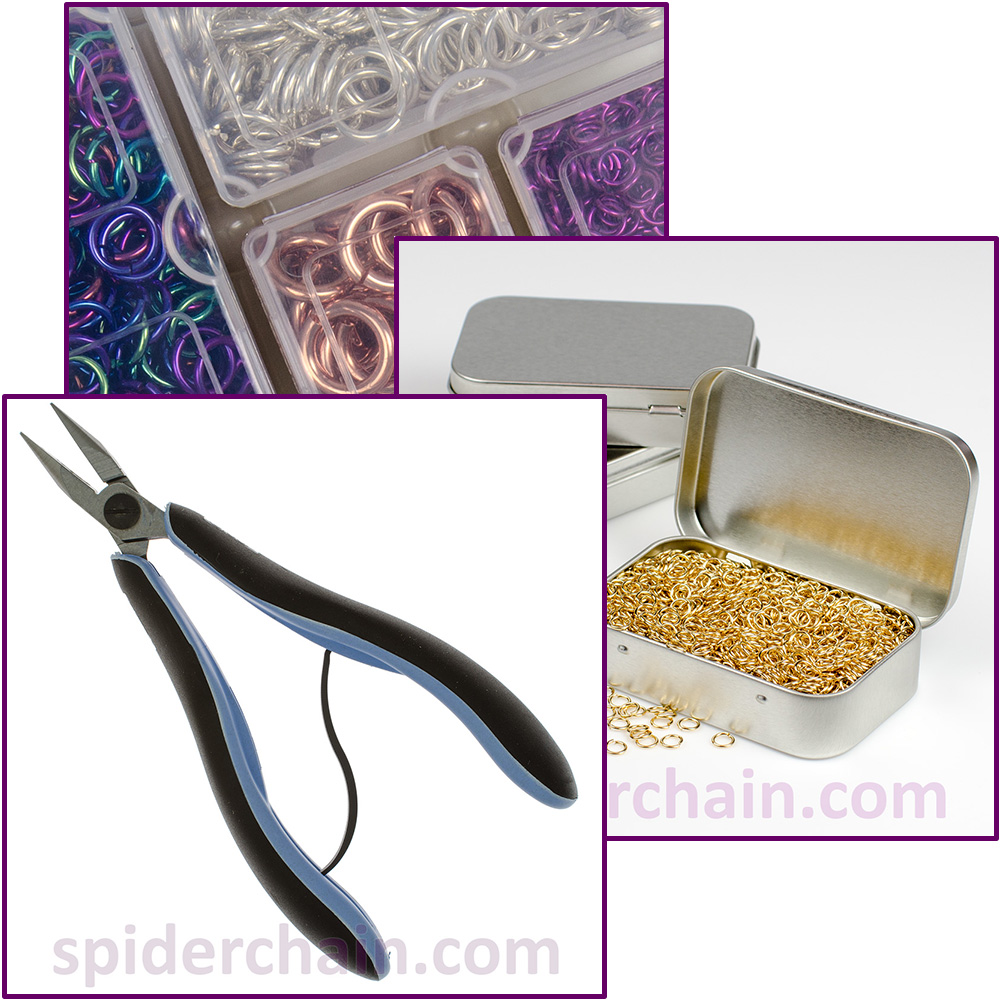
What pliers should I use with precious metal rings? Any pliers with no teeth will work, though you'll almost certainly want springs on the handles as well. I personally prefer chain nose pliers (they come to a point) but I know several people who like flat nose pliers, or one of each. The only crucial thing is to make sure the jaws are smooth, otherwise you'll mar the rings. For a selection of Spider Approved pliers, check my tools page. |
||||||||||||||||||||||||
|
Working with niobium rings.
Please remember that the color on these rings is only skin deep. Although the color will never flake off, it will fade if the metal gets gouged or worn away. Happily, this is easy to avoid. When you're weaving the rings, pay attention to your grip. If you grip too tightly, you run the risk of gouging the surface when you slip. I know it sounds counter-intuitive, but my experience is that I slip less and scratch fewer rings when I concentrate on keeping a light grip. (Besides, a lighter grip is better for your hands/shoulders/spine anyway). Just for reference, I estimate that I scratch the color on approximately one ring in a thousand that I weave with bare pliers. If you can't manage the lighter grip, or if it doesn't seem to work for you, then I recommend that you try Tool Magic. I haven't yet tested it myself, but I've heard great things about it from Rebeca of Blue Buddha Boutique. Rebeca recommends painting on two thin layers instead of dipping one thick layer. I'll eventually have the time to test it myself, and if I like it I'll start selling it. Once your niobium is made into jewelry, keep it away from hard or abrasive objects like sand, keys, coins, etc. And if your niobium jewelry ever gets dirty or dingy, a little Windex, rubbing alcohol, or warm soapy water will clean it right up. |
|||||||||||||||||||||||
| ||||||||||||||||||||||||
|
Where can I get more information? Check out some of the info on my links page. I'd especially recommend the M.A.I.L. site. It stands for "Maille Artisans International League" and in the past few years this site has grown into the single best net resource for chainmaillers everywhere. Hundreds of weaves, many with instructions. An active message board with very knowledgable people answering all sorts of questions. Articles on many aspects of chainmailling. And an inspirational gallery that goes on and on and... |
||||||||||||||||||||||||
|
||||||||||||||||||||||||
| Anneal: When working a piece of metal, you usually want it to be as soft as possible. To get it fully soft, heat it to orange-hot and let it naturally return to room temperature. This is called annealing. |
||||||||||||||||||||||||
| ||||||||||||||||||||||||
| Anodize: Anodization is immersing metal in a conductive fluid and running electrical current through the bath to produce an oxide layer on the surface of the metal. The three metals that are commonly anodized are niobium, titanium, and aluminum. With the first two metals, the oxide layer yields a wonderful range of colors. The thickness of the oxide layer determines the color. Possible colors (from thinnest to thickest oxide layer) range through brown, blue, yellow, pink, purple, teal, and green. With aluminum, the oxide layer is colorless, but porous enough to accept dye. So after anodizing the aluminum, you can dunk it in any color dye that you want. However, the dyed colors of anodized aluminum are always sort of "flat" in comparison to anodized niobium and titanium, which often have an iridescent, color-spanning shimmer. |
||||||||||||||||||||||||
| ||||||||||||||||||||||||
| Draw plate: The draw plate is one of the oldest metal-working tools. In essence, it is just a sheet of metal with many holes drilled in it, each hole just a little smaller than the one before it. By pulling wire through progressively smaller holes, you get wire of a smaller gauge (which is also longer). These days, draw plates are made from tool steel with extremely precise holes, but the technique is the same as for the primitive draw plates used thousands of years ago. |
||||||||||||||||||||||||
| ||||||||||||||||||||||||
| Gold Fill: Karat gold jacket around a base metal core. (My rings are either 12K or 14K on the outside.) This is not gold plated. The layer of gold is 1/20 the total thickness - it won't wear off the way that gold plating will. |
||||||||||||||||||||||||
| ||||||||||||||||||||||||
| Niobium/Titanium: Niobium and titanium are both elemental metals. (Niobium is element #41, and titanium is #22.) They are often called "reactive metals" because you can get lovely colors when you heat these metals or zap them with electricity. (See anodize.) |
||||||||||||||||||||||||
| ||||||||||||||||||||||||
| Solder Filled Sterling: The wire used to make these rings has a solder core. To make soldered pieces using these rings all you need is a torch. No need to apply the solder to each join - it's already there! You do need to paint flux onto the joint to allow the solder to flow. |
||||||||||||||||||||||||
| ||||||||||||||||||||||||
| Sterling Silver: This alloy of silver is 92.5% silver, 7.5% copper. It is harder than pure silver and is the standard for silver jewelry. |
||||||||||||||||||||||||
| ||||||||||||||||||||||||
| Temper: Temper is a measure of how hard and springy a piece of metal is. Different metals have different inherent hardnesses (iron is harder than lead), but within the same metal you can have harder or softer pieces, depending on temper. To change the temper of a piece of metal, you work harden it - that is, you change its shape/size while it's at room temperature. (Hit it with a hammer, roll it in a mill, pull it through a draw plate.) This affects the underlying crystalline structure within the metal, and you end up with something that's harder. With wire (starting at full soft), the further you drop the wire gauge the harder it gets according to the following scale:
An important thing to note is that if you heat the wire too hot you'll lose all the springiness and you'll be back to full soft. (See anneal.) Temper is only a useful concept when comparing wires of the same metal. Iron will always be harder than lead, no matter how much you work harden the lead. |
||||||||||||||||||||||||
| ||||||||||||||||||||||||
| Wire Gauge: There are two main wire gauge systems used in the United States. The first is the "Standard Wire Gauge" (or SWG) which is used primarily for industrial metals - steel, aluminum, brass, etc. The second system is the "American Wire Gauge" (AWG) which is also sometimes called "Brown & Sharpe." This is the standard gauge system for precious metals, and it's the gauge system that I use for all my rings. American Wire Gauge - AWG - Brown & Sharpe
|
||||||||||||||||||||||||
|
||||||||||||||||||||||||
|
Do you teach classes? I teach one-on-one classes at my workshop, and am available for large classes elsewhere. Individual classes cost $30/hour and are easiest to schedule during weekdays - my evenings and weekends are usually reserved for my family. Send me mail for more information if you're interested. I'm also available to teach group classes - again contact me if you'd like to set something up. |
||||||||||||||||||||||||
| ||||||||||||||||||||||||
|
Do you make armor? I can make armor, but I usually don't. There are many, many good makers of chainmail armor. You may even be able to find one in your area. Take a look at The Society for Creative Anachronism's webpage to find armorers in your area. And visit my links page for a partial list of online armorers. |
||||||||||||||||||||||||
| ||||||||||||||||||||||||
|
Do you wholesale? I do. The wholesale prices for my loose rings are based on order volume. Contact me if you're interested in carrying my jewelry seen on Silverweaver.com. |
||||||||||||||||||||||||
| ||||||||||||||||||||||||
|
What is your return policy? I don't accept any ring returns. Please, please make sure that you know what size(s) you need. I'm happy to answer questions or help you decide on a good ring size. Once the rings arrive at your house they're yours forever. If any product that I sell you is defective I will definitely replace it. If you buy non-ring items based on a specific recommendation from me and you don't agree that it's a good item, then I'm happy to take the item back in exchange for credit toward future orders. |
||||||||||||||||||||||||
| ||||||||||||||||||||||||
|
When will my order arrive? If your rings are in stock, then your order will likely ship the day after I receive payment. If I have to cut or anodize rings for your order it will take a few days more. If you need your order by a certain date be sure to let me know. And if you'd like notification when your order ships, just include a note with your order or your payment. Once your order ships it will take 1-3 days (according to the post office) for your Priority Mail package to arrive. The closer you are to California, the sooner you'll get it. |
||||||||||||||||||||||||
| ||||||||||||||||||||||||